
The Gospel of John Chapter 12:12-19 (NKJV)
Explore John 12:12–19 in depth. Discover the true meaning of the Triumphal Entry, Zechariah’s prophecy, the unbroken colt, and the despair of the Pharisees.
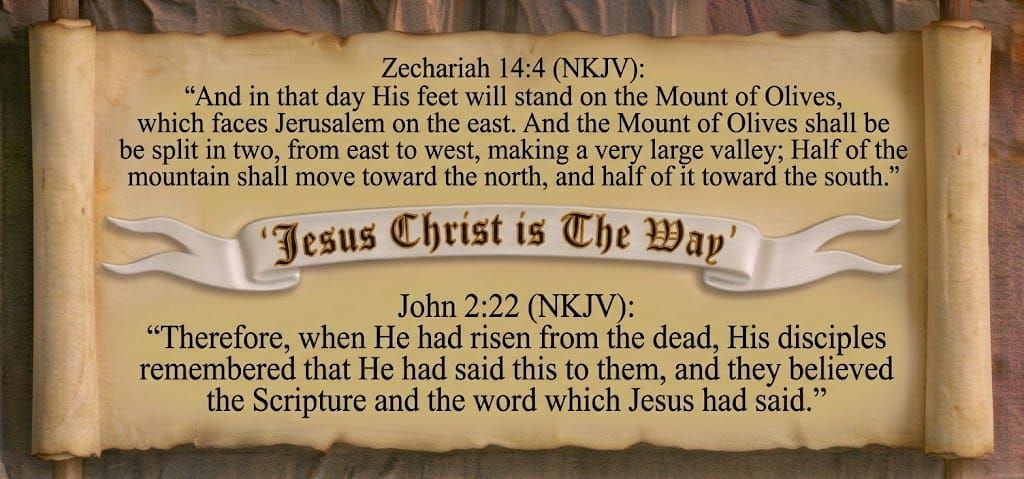
The Triumphal Entry, & The King on a Donkey’s Colt (II)
Welcome to The-Way Ministry & Partner Acknowledgment
Good afternoon. Before we dive into God’s Word today, we want to express our deep gratitude to our supporting ministry partners:
- Luminous Church — San Antonio, TX
- Sowers Church of Christ — San Antonio, TX
- Christian Community Church of Ministry — Bangladesh
- Victory Group Bible Study
Thank you for standing faithfully alongside us as we proclaim the grace, truth, and light of Jesus Christ.
Introduction to John 12:12–19
The same crowds that will scream “Crucify Him!” in five days are currently carpeting the road with palm branches, shouting “Hosanna to the Son of David!”
Jerusalem is an absolute powder keg. Hundreds of thousands of Passover pilgrims have flooded the city under the heavy boot of Roman occupation, desperate for a military deliverer to break Caesar’s yoke. When word spreads that the Rabbi who raised Lazarus from the dead is descending the Mount of Olives, the nationalistic fervor explodes.
Yet Jesus does not ride into Zion on a war horse flanked by legionnaires; He enters seated upon the colt of a donkey. In John 12:12–19, we witness the ultimate collision between human political expectation and the divine reality of the cross. The world wanted a conqueror to slay Rome; God sent a sacrificial King to conquer sin and death.
Today, we will examine three key movements across these verses:
- Movement 1 (vv. 12–13): The Nationalistic Cry and the Palm Branches — The Acclamation of the King
- Movement 2 (vv. 14–16): The Lowly King and Delayed Discipleship — Subversive Sovereignty, Sacred Consecration & Spiritual Illumination
- Movement 3 (vv. 17–19): The Living Testimony, The Mount of Olives, and the Despair of the Establishment — The Incontestable Witness & Frustrated Religion
Scripture Reading: John 12:12–19 (NKJV)
12 The next day, a great multitude that had come to the feast, when they heard that Jesus was coming to Jerusalem, 13 took branches of palm trees and went out to meet Him, and cried out: “Hosanna! ‘Blessed is He who comes in the name of the Lord!’ The King of Israel!”
14 Then Jesus, when He had found a young donkey, sat on it; as it is written: 15 “Fear not, daughter of Zion; behold, your King is coming, sitting on a donkey’s colt.”
16 His disciples did not understand these things at first; but when Jesus was glorified, then they remembered that these things were written about Him and that they had done these things to Him.
17 Therefore, the people who were with Him when He called Lazarus out of his tomb and raised him from the dead, bore witness. 18 For this reason, the people also met Him, because they heard that He had done this sign. 19 The Pharisees, therefore, said among themselves, “You see that you are accomplishing nothing. Look, the world has gone after Him!”
Movement 1 (vv. 12–13): The Nationalistic Cry and the Palm Branches — The Acclamation of the King
Scripture Reading: John 12:12–13 (NKJV)
“The next day a great multitude that had come to the feast, when they heard that Jesus was coming to Jerusalem, took branches of palm trees and went out to meet Him, and cried out: ‘Hosanna! “Blessed is He who comes in the name of the Lord!” The King of Israel!’ “
Exposition & Commentary
- 1. The Surge of the Pilgrim Multitude (v. 12): On the day following the intimate Sabbath dinner in Bethany, Jesus begins His final, deliberate approach toward Jerusalem. John notes that a “great multitude” (ochlos polys) had gathered for the Passover. Tens of thousands of Jewish pilgrims from across the Mediterranean diaspora filled the hills surrounding the Holy City. When the report swept through the encampments as Jesus advanced along the pilgrim road, the crowd mobilized. They did not wait inside the city gates; they went out to meet Him (eis hypantēsin), a formal Hellenistic practice reserved for escorting an incoming sovereign, conquering general, or royal dignitary into a city.